
laisser un message
Si nos produits vous intéressent et que vous souhaitez en savoir plus, veuillez laisser un message ici, nous vous répondrons dans les plus brefs délais.

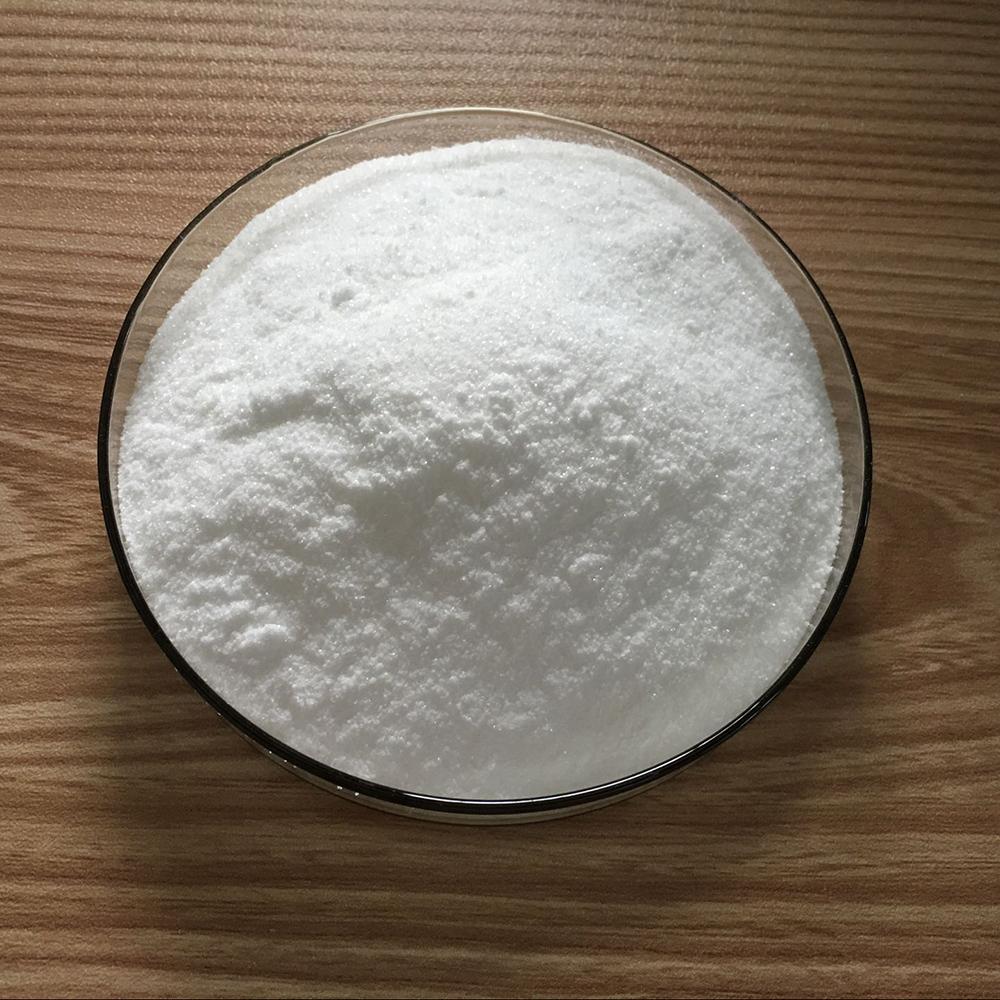
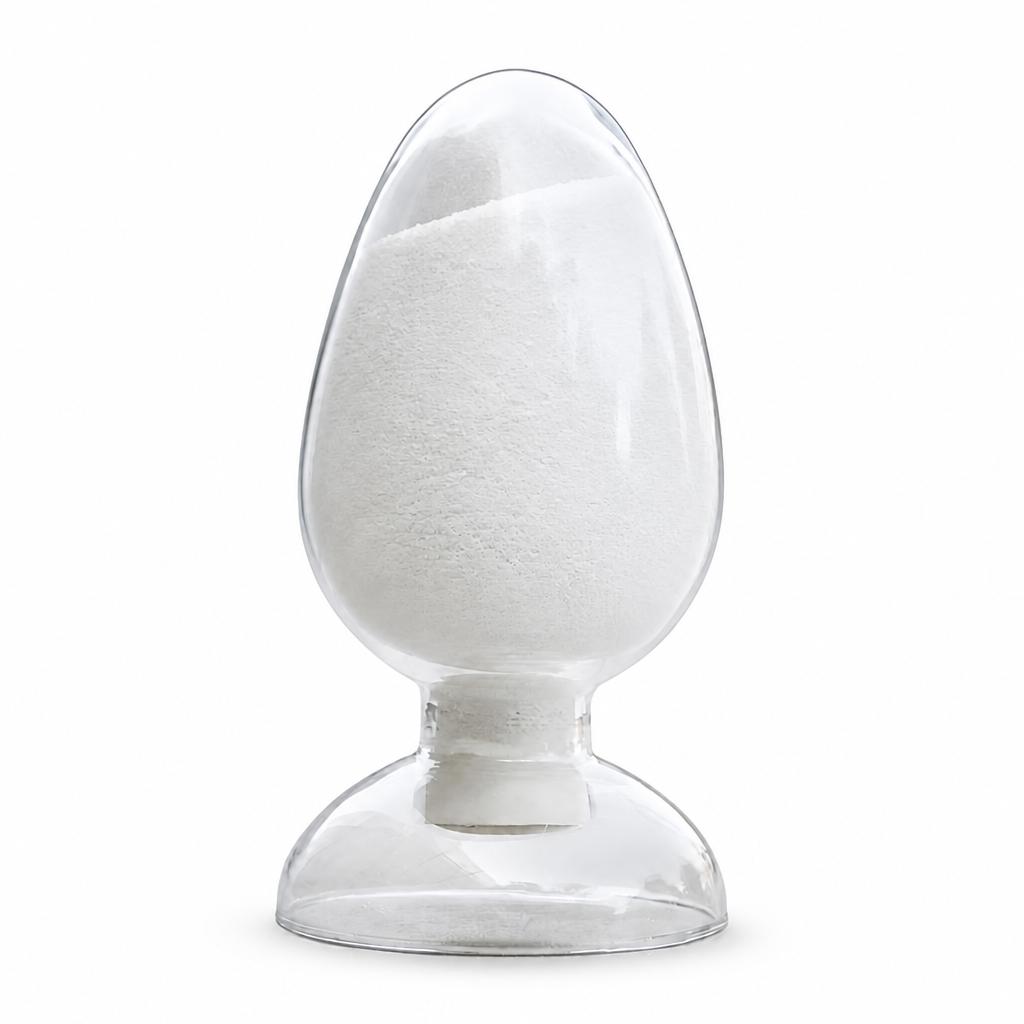
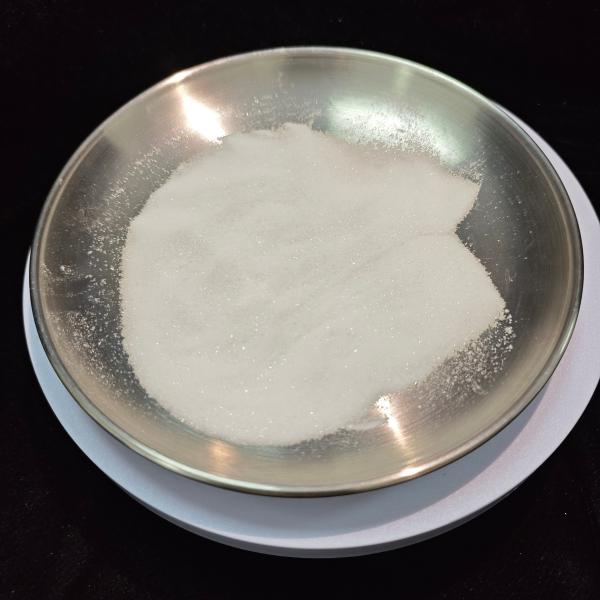
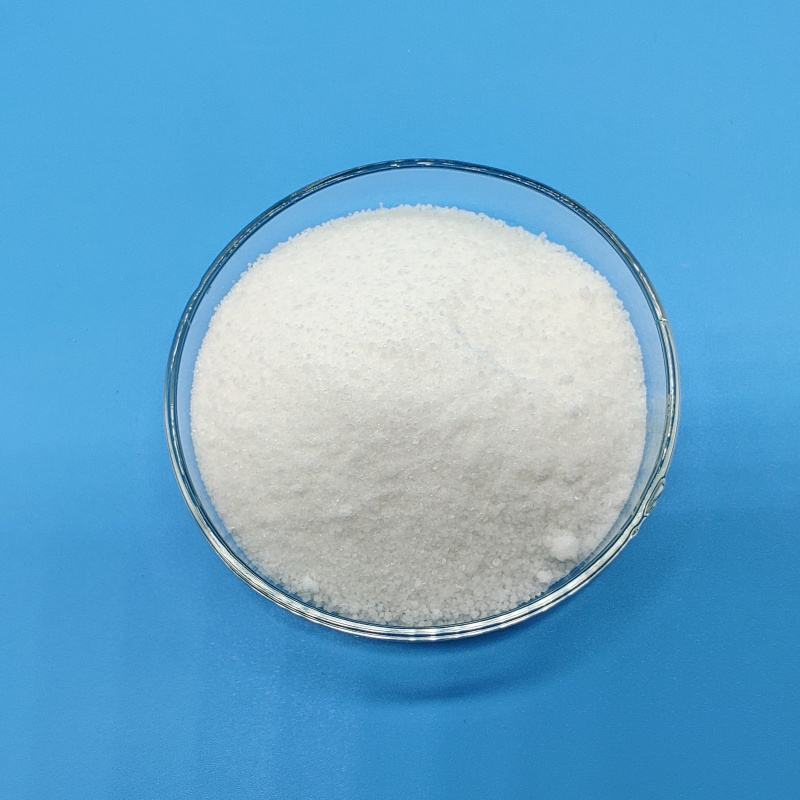
Commande (MOQ) :
500kgsOrigine du produit :
ChinaCouleur :
WhitePort maritime :
Shanghai, ChinaDélai de mise en œuvre :
2-3 weeksPoids :
25kgNuméro de dossier :
9003-39-8Formule moléculaire :
(C6H9NO)nApparence :
White, free-flowing powderEssai :
K Value 27–32Application :
Hair care, skin care, sun care, colour cosmeticsPVP K30 is the K30 viscosity grade of polyvinylpyrrolidone, a linear polymer built from N-vinylpyrrolidone units. The K value is calculated from the relative viscosity of a 1% solution and is the industry's working shorthand for the molecular-weight range of a PVP grade. K30 sits in the middle of the range: it forms a coherent, adhesive film with enough strength for hair fixatives and pigment binding, while remaining easy to weigh, disperse and dissolve in production compared with high-viscosity grades such as K90.
In cosmetics the polymer is used for its film-forming, adhesive and dispersing behaviour rather than for any biological action. It dissolves in water and in many polar solvents, dries to a clear, non-greasy film, and is compatible with the surfactants, emollients and pigments used in everyday personal-care systems. These properties make it a standard choice in hair styling products, sun care, mascara and pressed powders.
The material is supplied to pharmacopoeial requirements, which matters in cosmetic use because the pharmacopoeial panel controls exactly the parameters a formulator cares about: K value, residual N-vinylpyrrolidone, moisture, pH, residue on ignition, heavy metals, acetaldehyde and hydrazine. The results for the referenced lot are reproduced below.
Core Advantages
1.Controlled K value.
The lot reported here measured 28.02 against a 27–32 window, so solution viscosity and film properties stay within a predictable band from batch to batch.
2.Very low residual monomer.
N-vinylpyrrolidone was 0.006% against a 0.2% limit, which supports use in skin-contact and leave-on products.
3.Low moisture, easy handling.
Moisture was 2.57% against a 5.0% limit, keeping the powder free-flowing for weighing, blending and dissolving.
4.Near-neutral solution pH.
A 5% solution measured pH 3.95 within the 3–7 range, so the polymer introduces little acidity into a formulation.
5.Documented impurity control.
Heavy metals below 10 ppm, acetaldehyde below 0.05% and hydrazine below 1 ppm, with identity tests passed.
Technical Specifications
|
Item |
Specification |
Typical Result (Batch 20100108) |
|
Appearance |
White or yellowish-white powder |
White powder |
|
Identification |
Meet identification tests |
Pass |
|
K value |
27–32 |
28.02 |
|
N-vinylpyrrolidone, % |
≤ 0.2 |
0.006 |
|
Moisture, % |
≤ 5.0 |
2.57 |
|
Residue on ignition, % |
≤ 0.1 |
0.043 |
|
pH value (5% aqueous solution) |
3–7 |
3.95 |
|
Nitrogen, % |
11.5–12.8 |
12.06 |
|
Heavy metals, ppm |
≤ 10 |
< 10 |
|
Acetaldehyde, % |
≤ 0.05 |
< 0.05 |
|
Hydrazine, ppm |
≤ 1 |
< 1 |
Key Application
Start with 3–8% of the formula for a hair-fixative system and adjust against the hold and flexibility required; the level is normally fixed by trial rather than by a single standard figure.
FAQ: Cetearyl Alcohol
Q1. What is PVP K30?
PVP K30 is polyvinylpyrrolidone of the K30 viscosity grade, CAS 9003-39-8, a water-soluble film-forming polymer supplied as a white powder. In cosmetics it is listed under the INCI name PVP (Polyvinylpyrrolidone).
Q2. What does the K value mean, and why does it matter?
The K value is derived from the relative viscosity of a 1% solution and serves as the industry's shorthand for the molecular-weight range of a PVP grade. Our K30 material is specified at 27–32 and measured 28.02, which fixes the solution viscosity, film strength and hold that a formulator can expect.
Q3. How does K30 compare with other PVP grades?
Lower K grades such as K15 and K17 give lower viscosity and lighter films; higher grades such as K90 give stronger hold but are harder to disperse and dissolve and can feel heavier. K30 is the usual balance point for hair fixatives, pigment binding and general film-forming work.
Q4. How is the powder dissolved?
Sprinkle the powder into vigorously stirred water at room temperature rather than adding it in one portion, and keep stirring until the solution is clear. Pre-dispersing in glycerin, propylene glycol or ethanol also helps avoid lumps. Hydration is gradual, so allow enough mixing time before assessing the batch.
Q5. Is PVP K30 suitable for natural-origin or clean-beauty claims?
No. PVP is a synthetic polymer and is not counted as natural-origin under ISO 16128. It can still be used in products positioned on performance or transparency, but a natural-origin index claim cannot rely on it.
Q6. Does the film stay stable at high humidity?
PVP films are hygroscopic. At high ambient humidity the film can become tacky and lose some of its hold, which is why styling systems usually combine PVP with a more hydrophobic film former or adjust the plasticiser level. Humidity-chamber testing of the finished product is recommended for tropical markets.
Q7. What is the minimum order quantity and lead time?
The MOQ is 500 kg, with a standard lead time of two to three weeks from order confirmation. Standard packaging is a 25 kg fibre drum, with 500 kg jumbo bags on request.
Q8. Which documents are supplied?
A batch-specific COA covering the full panel above, a safety data sheet and a technical data sheet. Testing to a specific pharmacopoeial edition or additional parameters can be arranged on request.
Q9. Can PVP K30 be used in the same formula as PVP Iodine?
They are different materials with different functions: PVP K30 is the unloaded polymer used for film formation and binding, whereas PVP Iodine is the iodine-loaded complex used as an antimicrobial raw material. Both may appear in the same product family, but each is dosed for its own purpose.


laisser un message


 Réseau IPv6 pris en charge